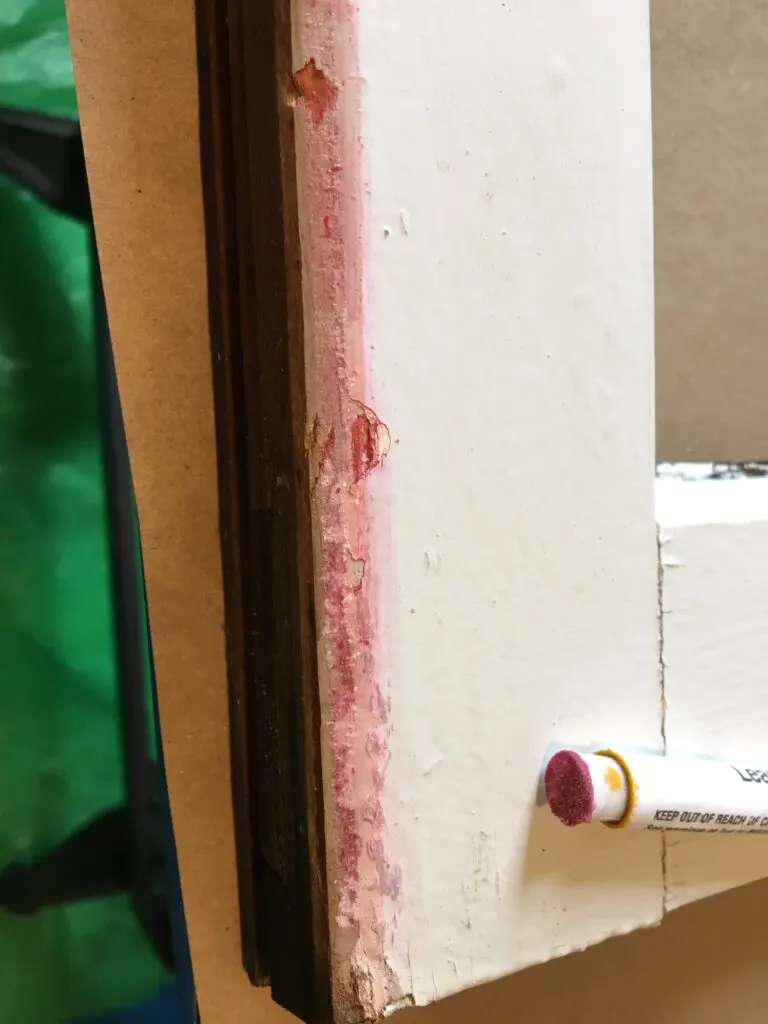
I number the panes with a grease pencil, and we strip the failing glazing putty by steaming. Harald built an
insulated steamer box, after other methods proved ineffective. The process of scraping out the old putty usually
requires repeated re-steaming, because the putty cools faster than we can work. We have to scrape out all the putty
and scrape off some of the caked-on paint, then remove all the tiny zinc glazing points, before we can start easing
out the panes.
The worst lines of putty are the sloppy repairs someone did with DAP brand, which inevitably are rock hard. I stack
and clean each pane thoroughly, when I have time. The original glass in this house is Fourcault processed and mildly
wavy. It's surprisingly hard to get it really clean. I use water and Dawn detergent with Bon Ami cleanser, a sharp
razor blade, and sometimes white vinegar to soak off crud. I re-number each pane, as I clean it.
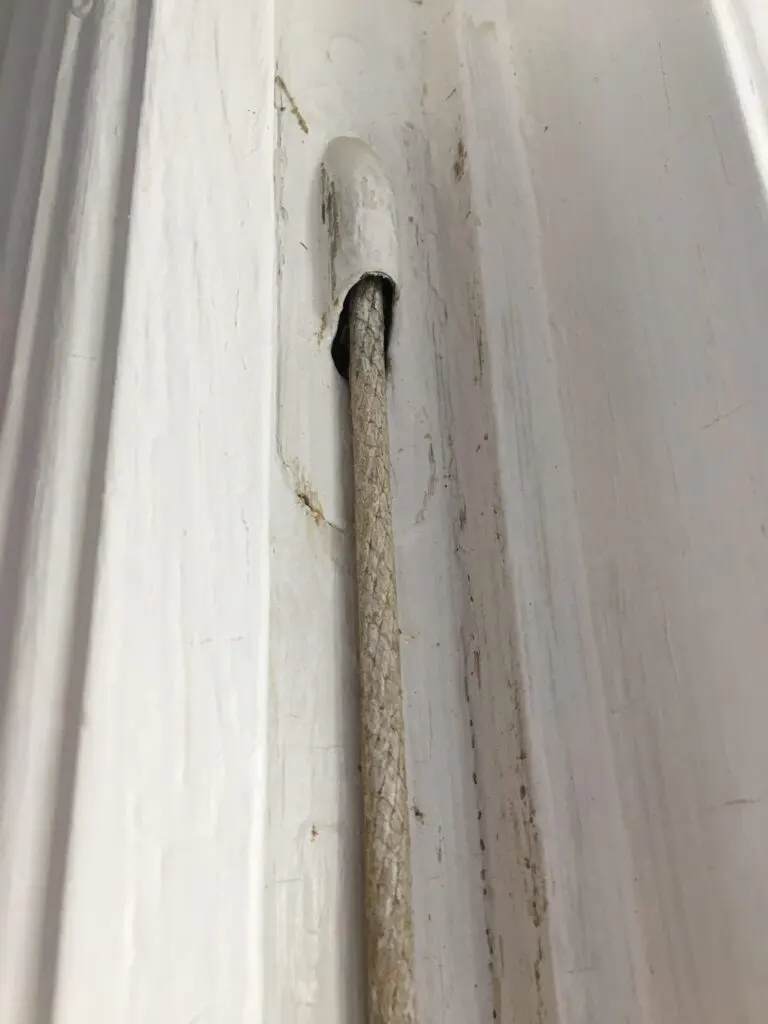
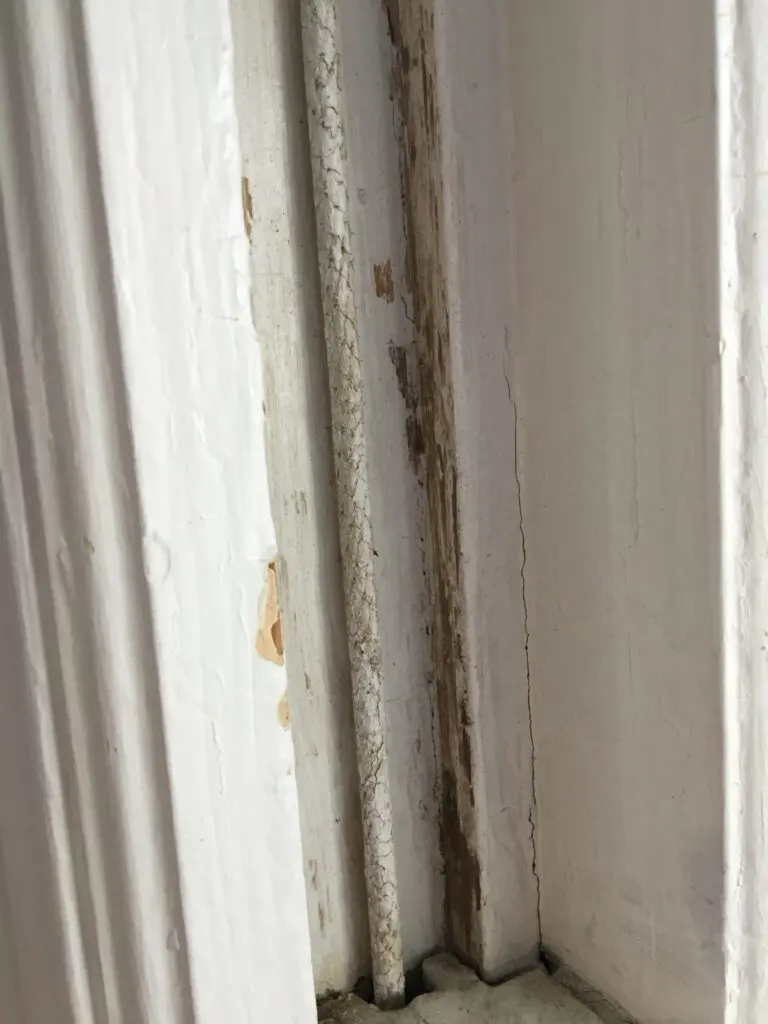
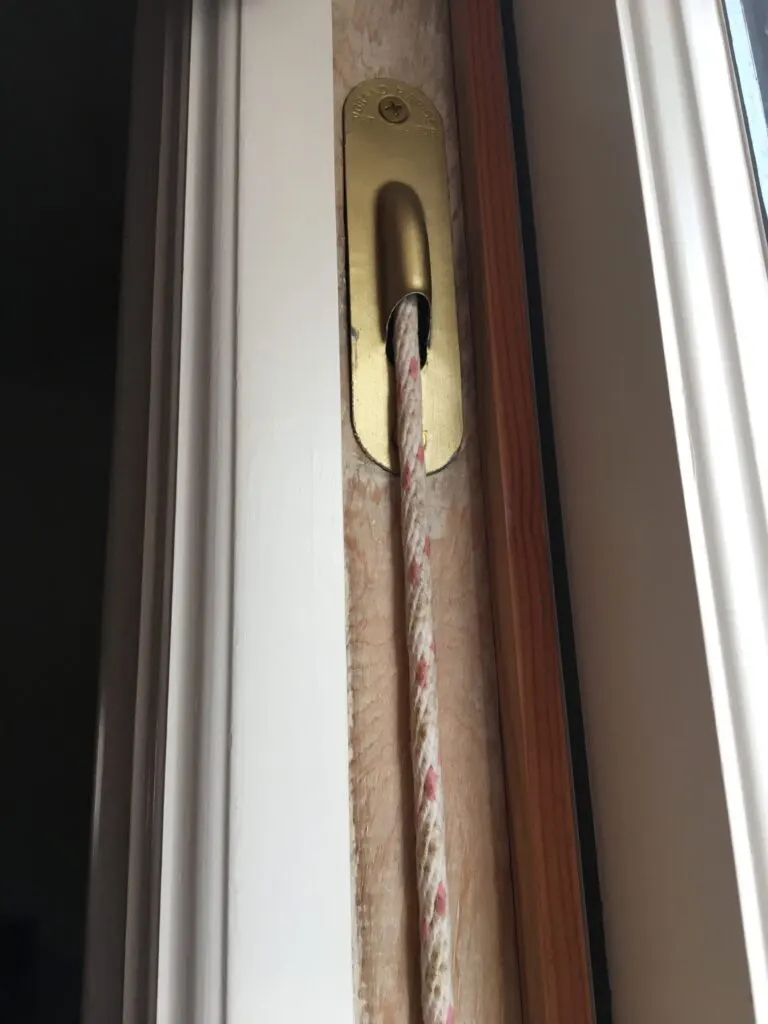
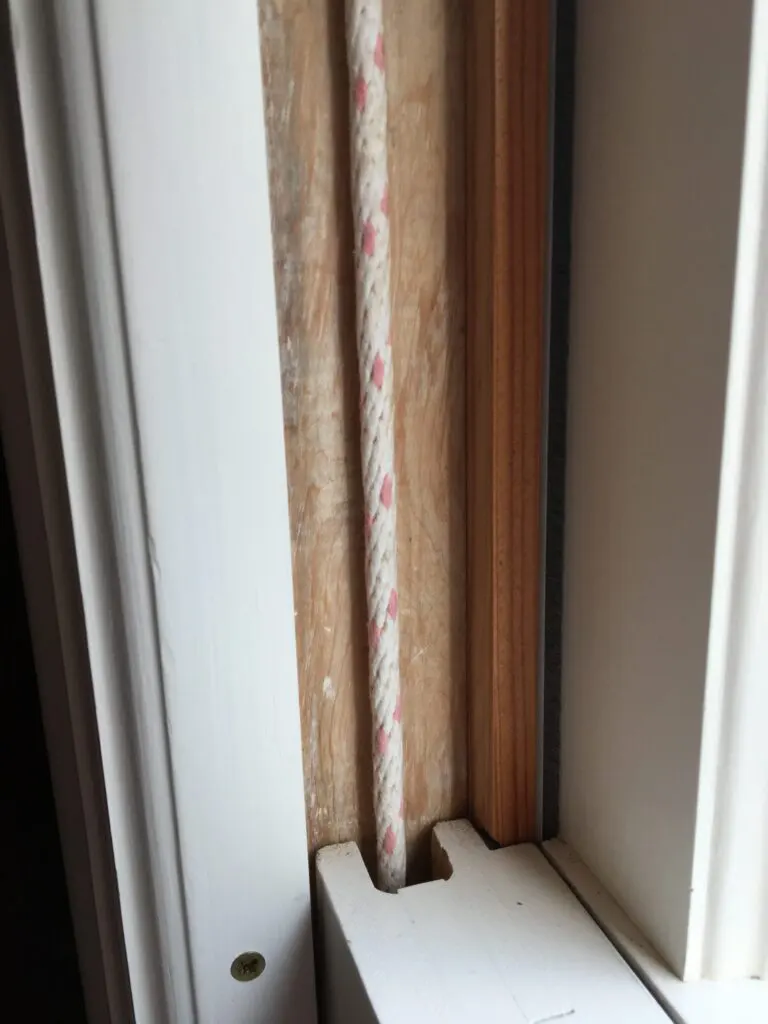
Also when I have time, I rehab the sash cord pulleys. I usually need to strip paint off them, then clean them with
various brushes, oil the wheel (I use Phil's Tenacious Oil, intended for bicycle hubs), and often re-clean the
outside before coating with spray paint or varnish to protect the surface. It's a project in itself. The next stage
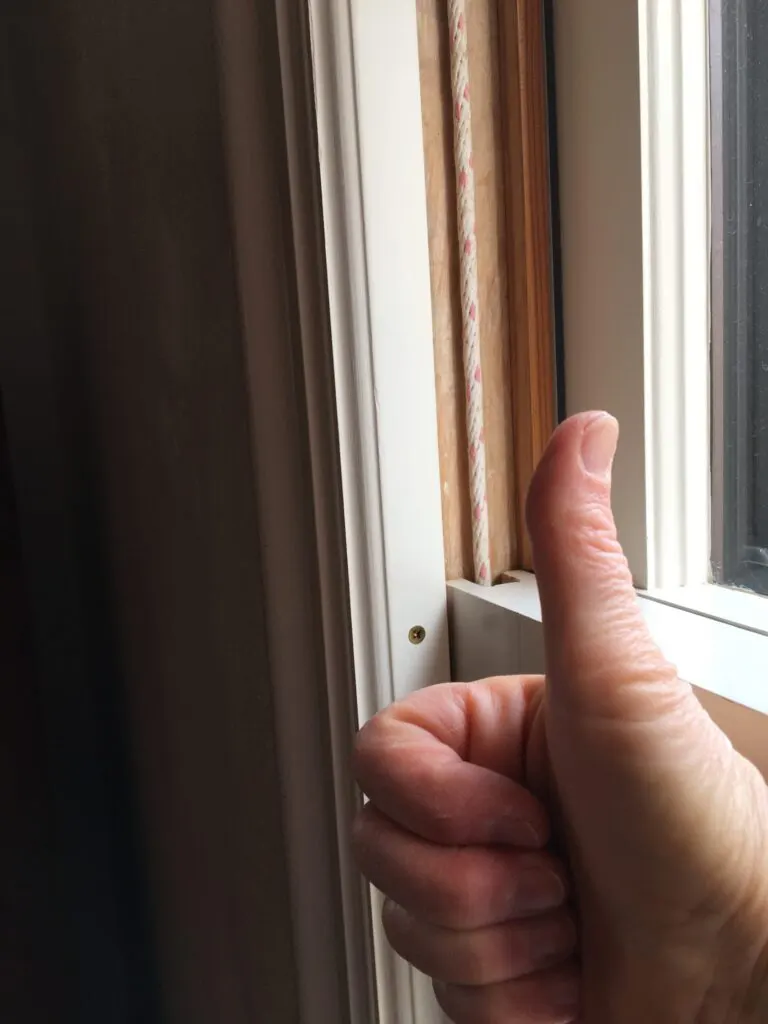
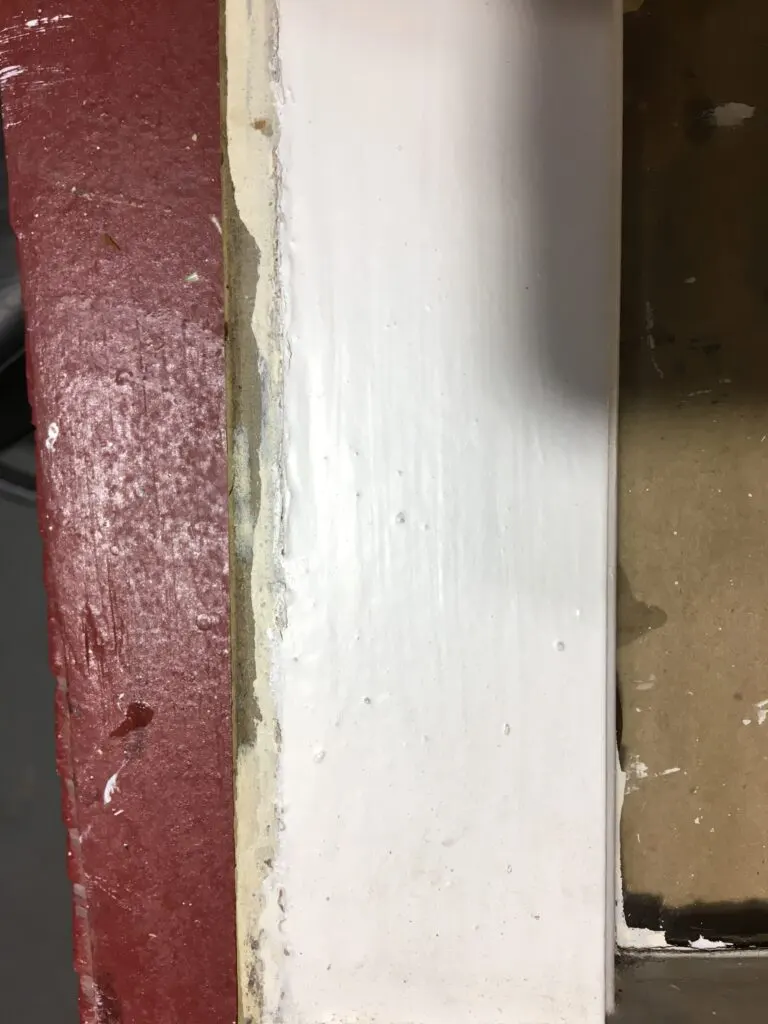
takes seemingly forever, which is stripping the horrible paint from the sashes, the trim (casing, stool, and apron),
and the erroneously painted parts of the window frame.
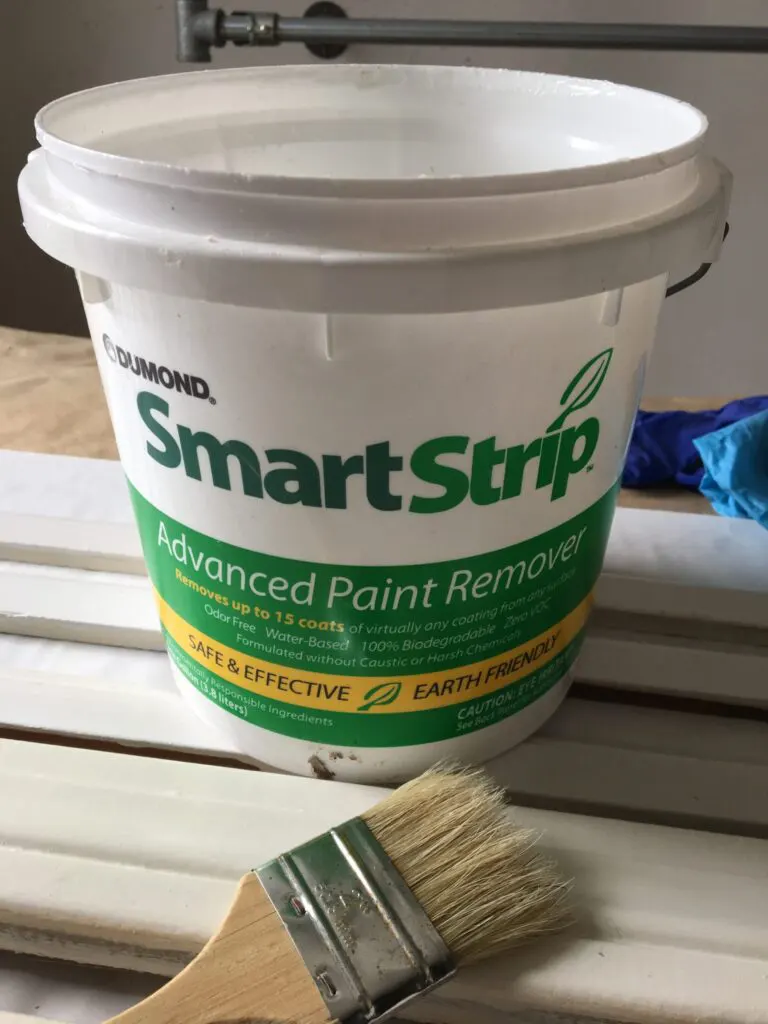
I use Dumond's
SmartStrip. I chose SmartStrip because it's very low odor and nontoxic (except to aquatic life). All you
need are mid-weight nitrile gloves (dishwashing weight)–no respirator, because the stripping is a wet process that
smothers lead dust. We buy SmartStrip at Sherwin-Williams. It's expensive and worth waiting for it to go on sale.
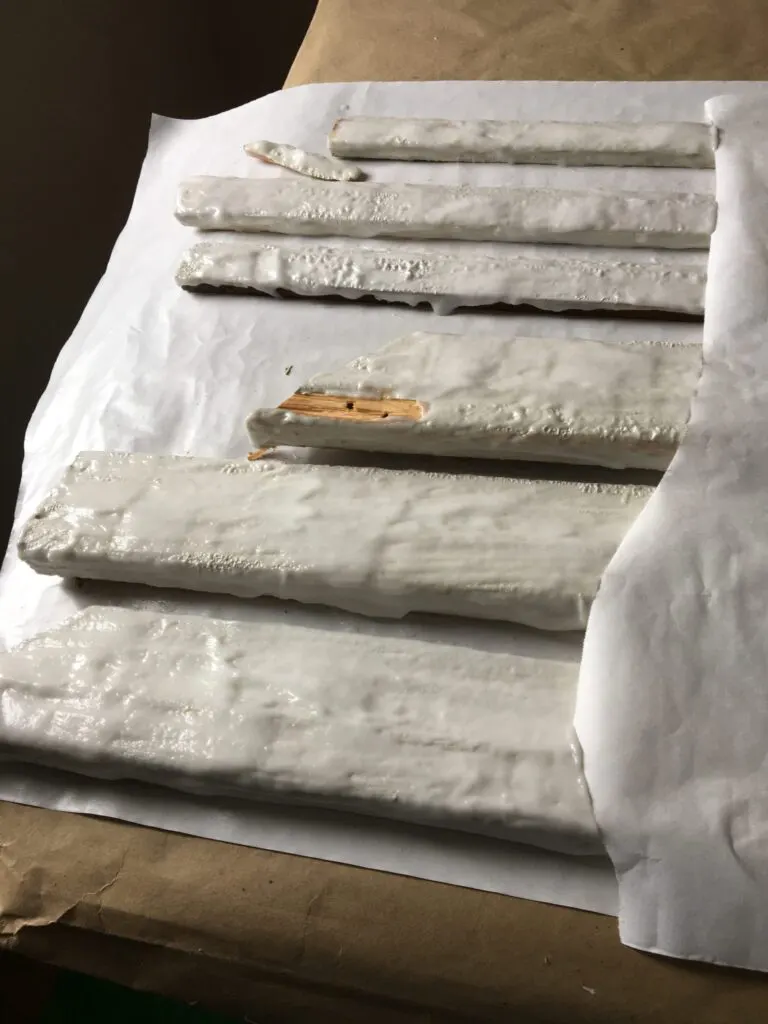
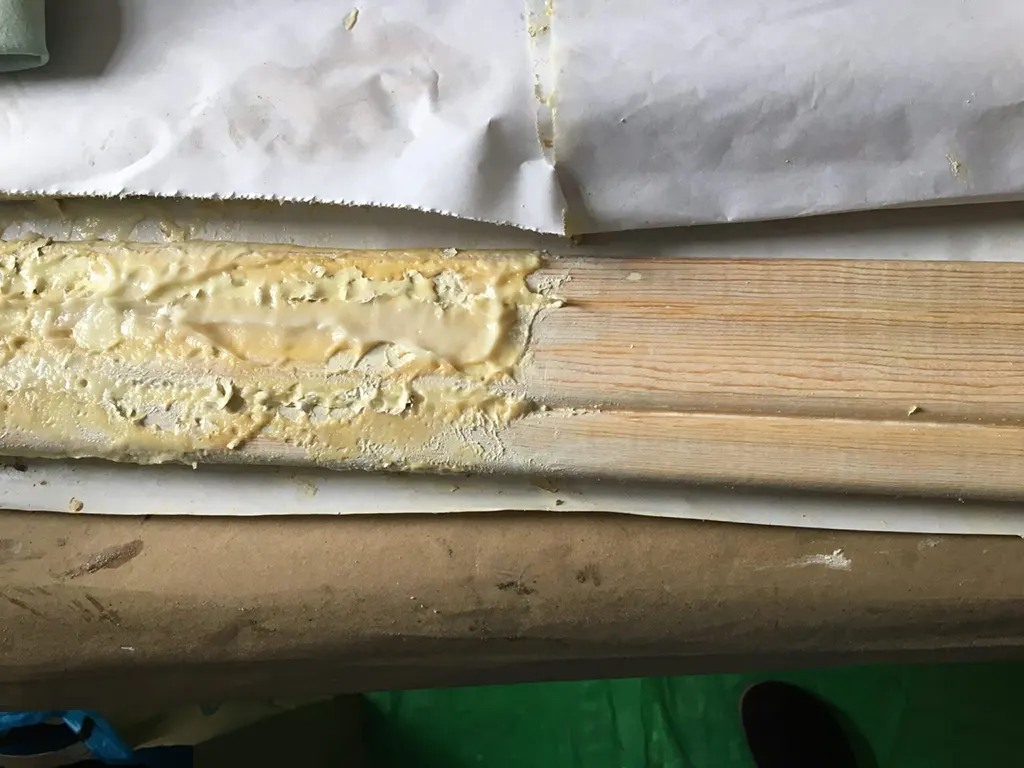
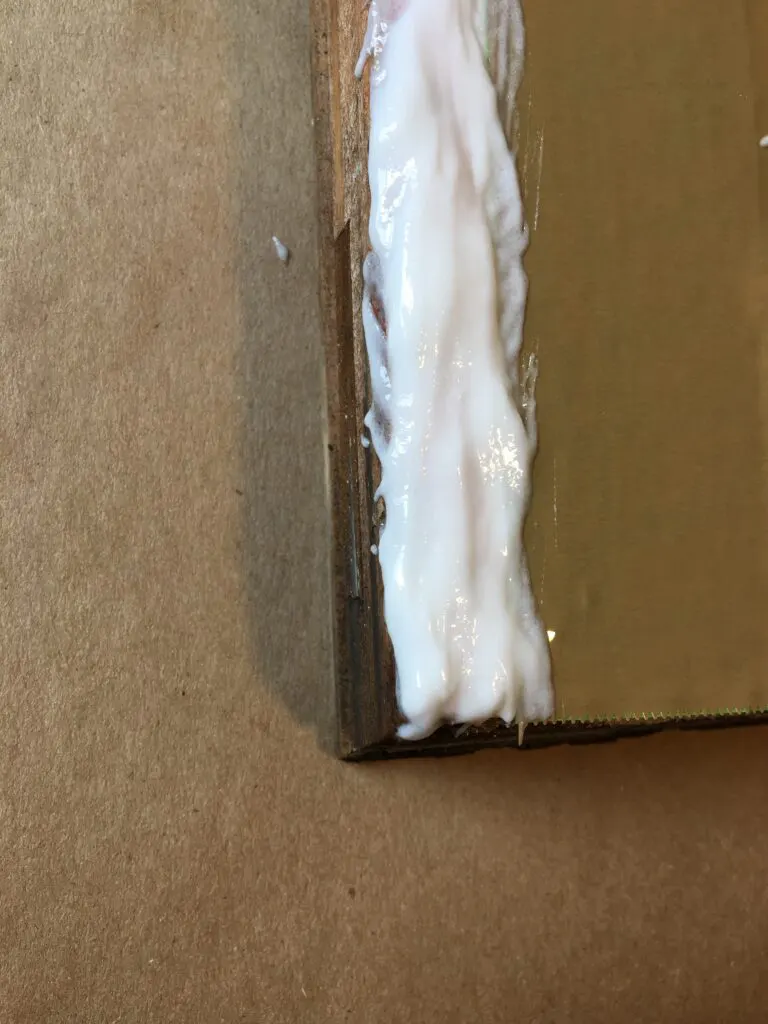
I've found I have to brush on the SmartStrip as thickly as you might ice a chocolate cake with white frosting, so
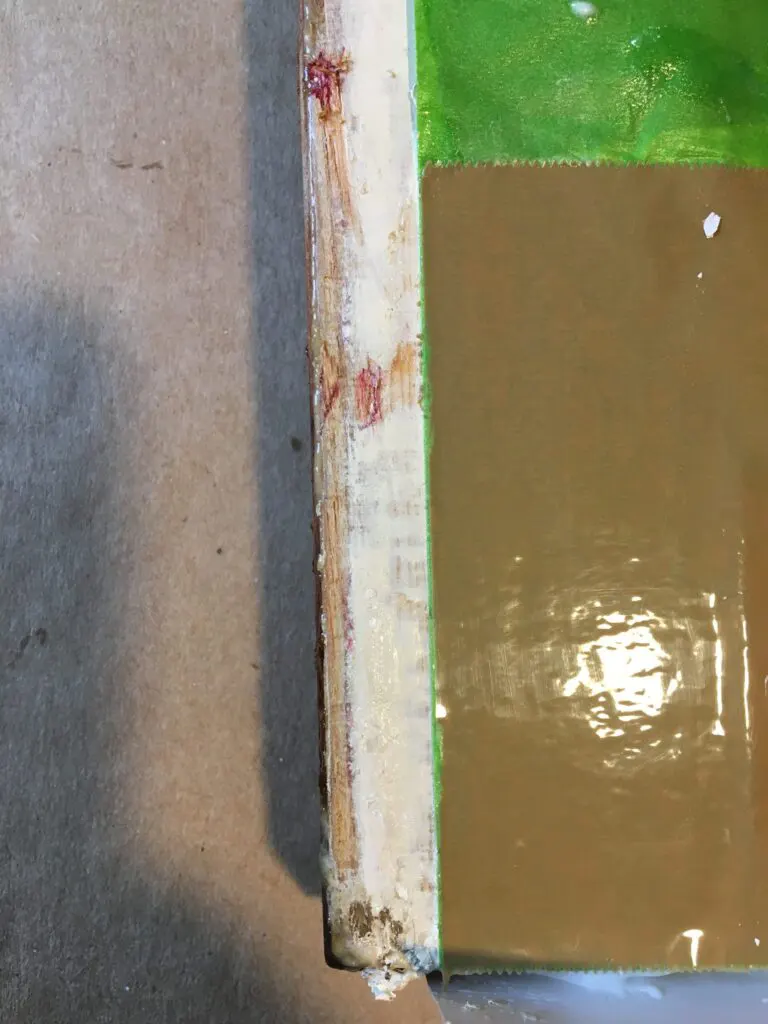
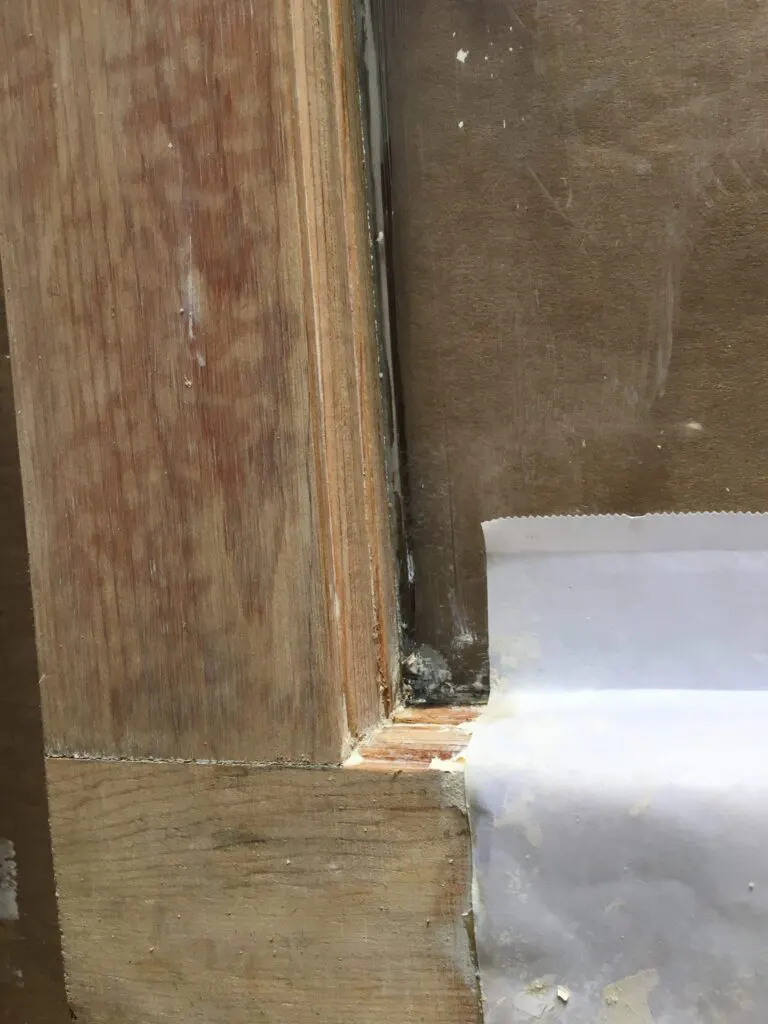
that no cake shows through. Then I cover each board in freezer paper, plastic side down. I smooth out the paper and
tuck it around edges–using painter's tape as necessary – to try to occlude as much air as possible.
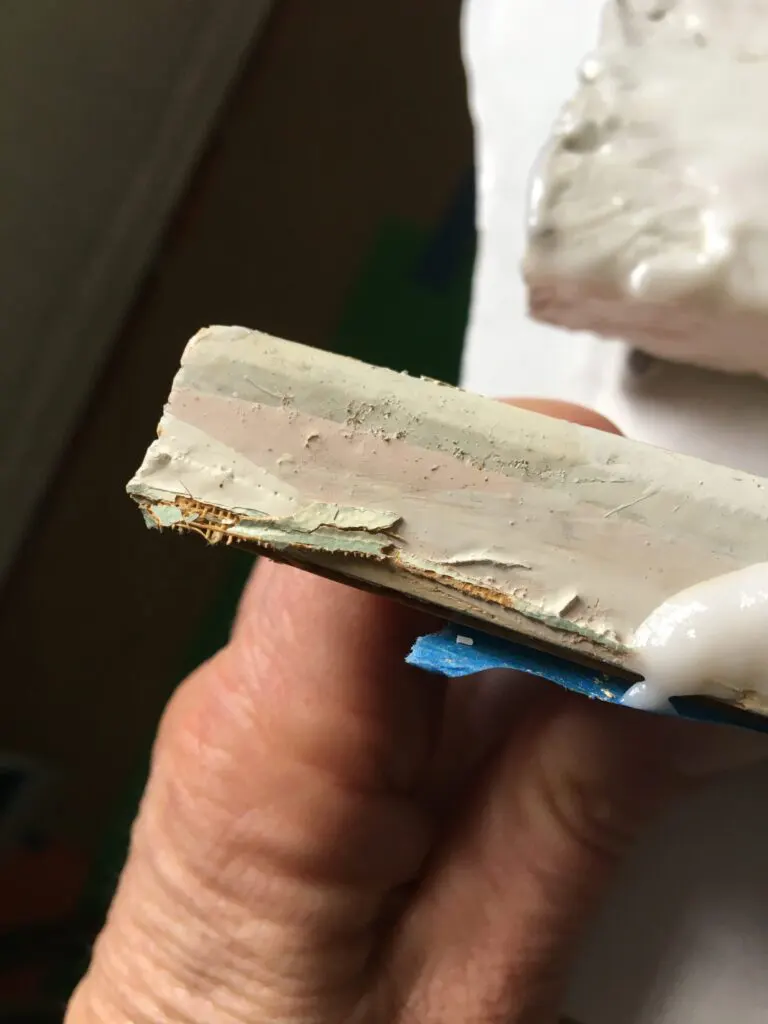
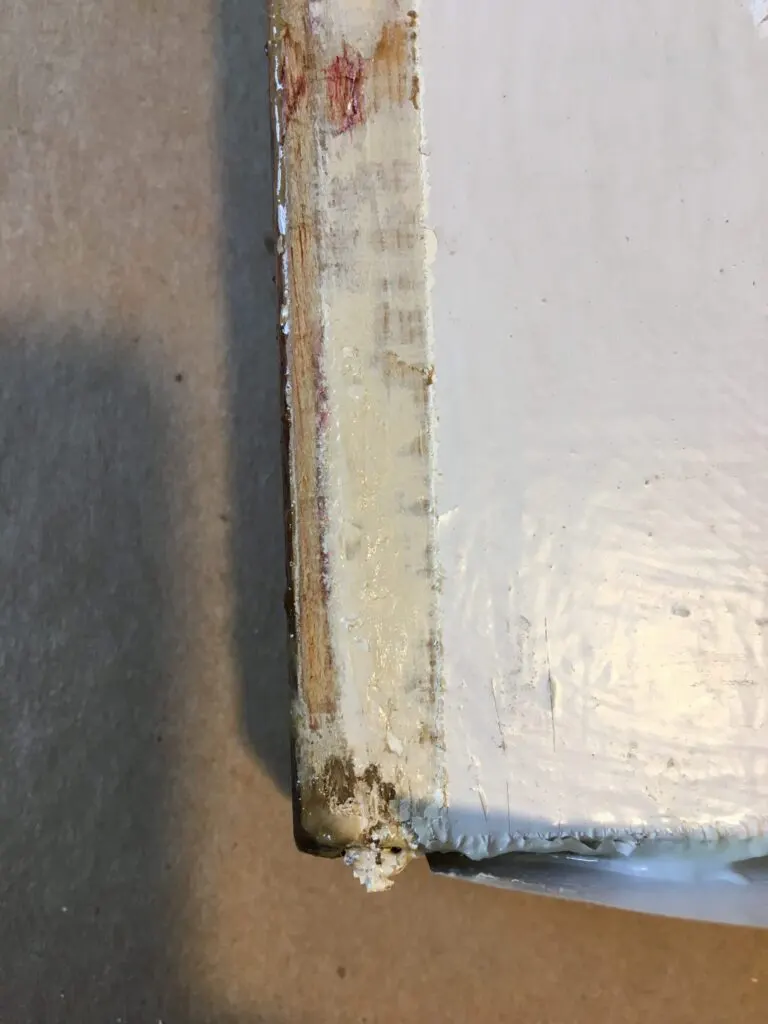
The latex/acrylic paint reliably swells, wrinkles, and is ready to be scraped off by the next day. For the oil-based
layers, reapplication is needed–sometimes twice–because the paint is extremely hard after all these years. I often
let the SmartStrip sit on the oil-based layers for two days before scraping. Longer "dwell time" and higher room
temperature boost effectiveness–but after the application has sat for three days, it starts getting too dry.